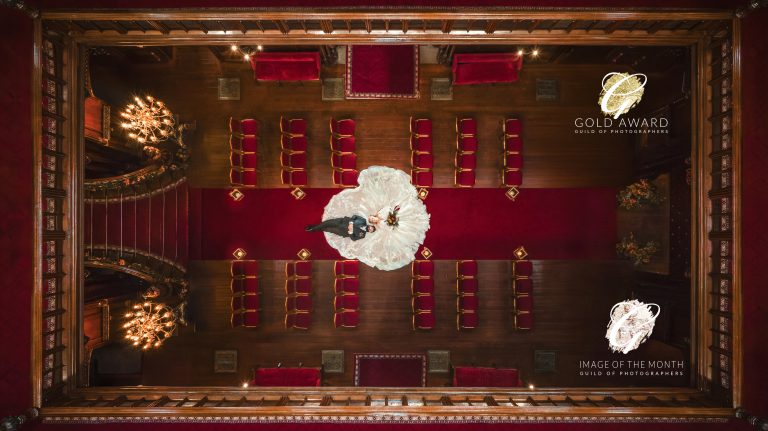

The Evolution of Wedding Photography Styles
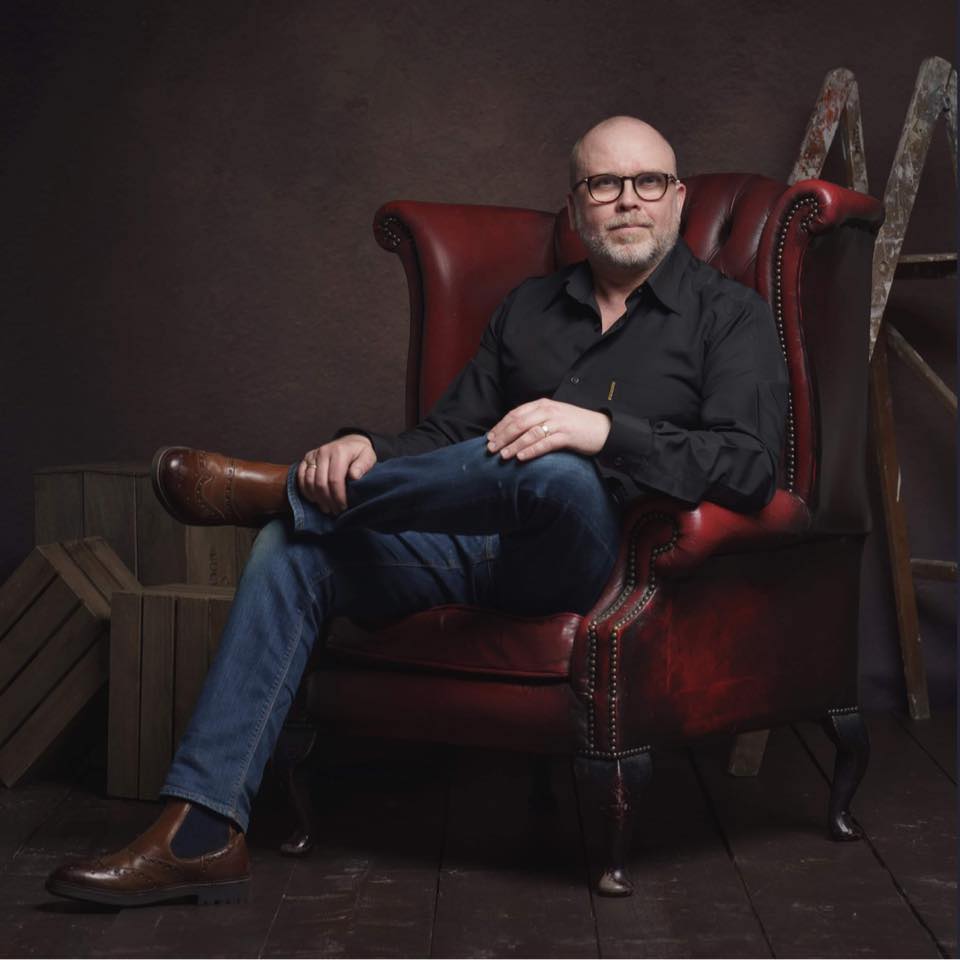
As a Yorkshire wedding photographer with over a decade of experience, I’m fascinated by how wedding photography has transformed since the 1840s.
From stiff, formal poses to the candid, emotional storytelling I practice today, the journey reflects both technological progress and changing social expectations. Understanding this evolution helps me appreciate why I approach documentary wedding photography the way I do—and helps couples understand the value of capturing authentic moments.
Wedding photography began when Louis Daguerre invented the daguerreotype in 1839. Early photographers faced enormous challenges: couples had to hold still for minutes due to long exposure times, resulting in those famously serious Victorian portraits.
These weren’t stern people—they simply couldn’t smile for that long! Studio photography dominated the 1850s, with elaborate backdrops and props creating theatrical wedding portraits!

From Studio Constraints to Location Freedom
The post-World War II era brought game-changing innovation. Portable cameras like the Leica 35mm rangefinder freed photographers from studio constraints.
Suddenly, we could capture weddings at actual venues rather than recreating the day in artificial settings. This was revolutionary—imagine only being able to photograph couples in a studio rather than at stunning Yorkshire wedding venues like I do today!
The photojournalistic approach emerged in the 1930s, fundamentally changing how weddings were documented. Rather than directing every pose, photographers began capturing genuine moments.
This mirrors my own philosophy: I blend into the background at North Yorkshire weddings, documenting real emotions rather than staging artificial scenarios. My film director father taught me that the best stories unfold naturally, and I apply that lesson every wedding day!

The Colour Revolution Changed Everything
The 1970s brought colour photography to the mainstream, transforming wedding albums forever. Black-and-white images were beautiful, but colour captured the bride’s dress details, vibrant floral arrangements, and the warmth of candlelit receptions. As colour film technology improved through the 1980s, photographers gained flexibility to work in challenging lighting conditions—something I’m grateful for when photographing atmospheric winter ceremonies!
Colour photography expanded creative possibilities. Photographers experimented with artistic lighting, unique compositions, and creative post-processing. This legacy continues in my work: whether couples want soft, floral tones or dramatic off-camera flash, I have the technical foundation to deliver their vision.

Digital Technology and Modern Diversity
Digital cameras revolutionised wedding photography in the 1990s and 2000s. Suddenly, I wasn’t limited by 36-exposure film rolls. I could photograph hundreds of moments without worrying about changing film during key moments.
Digital technology also enabled sophisticated post-production—though I’m careful never to over-edit. The goal is enhancing natural beauty, not creating unrealistic perfection.
Today’s couples can choose from an incredible range of wedding photography styles. Fine art photography creates painterly, editorial images. Documentary photography captures authentic moments without direction. Traditional photography ensures you have those classic family portraits.
Many couples—like those who book my wedding photography packages—appreciate a blended approach combining candid storytelling with some beautiful posed portraits.

How My Approach Honours This History
Understanding photography’s evolution helps me serve couples better. I know why traditional family portraits matter (they’re heirlooms for future generations), but I also understand why candid moments resonate emotionally (they’re authentic and unrepeatable).
When I photograph weddings at venues like Waterton Park Hotel, I’m drawing on nearly two centuries of photographic tradition!
According to the National Press Photographers Association, ethical photojournalism captures reality without manipulation—a principle I apply to wedding photography. My goal is preserving your day as it actually happened, not creating a fabricated version.
The beauty of modern wedding photography is customisation. Whether you’re planning an intimate ceremony or a grand celebration across West Yorkshire, your photographer should adapt to your vision. During consultations, I discuss which historical styles resonate with couples, then blend those elements into a contemporary approach that feels authentic to them.

My Final Thoughts
The evolution I’ve described isn’t just history—it’s options.
When couples tell me they love the timeless elegance of traditional portraits, I know we’ll dedicate time to formal family photos. When they emphasise capturing genuine emotions, I know documentary coverage is their priority.
Most couples want both, which is why my all-inclusive wedding day storytelling approach incorporates multiple styles.
After photographing hundreds of weddings throughout Yorkshire, I’ve learned that the best photography style is the one that reflects your authentic selves. Whether that’s dramatic and artistic, soft and romantic, or candidly documentary, your photos should tell your unique love story.
Ready to discuss how I can capture your Yorkshire wedding with a style that honours both photographic tradition and your personal vision?
Contact me today to discuss your wedding photography plans and check my availability!
Frequently Asked Questions
When did wedding photography begin?
Wedding photography began in the 1840s following the invention of the daguerreotype in 1839. Early wedding photos required couples to pose motionless for minutes due to long exposure times, resulting in the formal, serious portraits we associate with Victorian-era photography.
How has wedding photography changed over the years?
Wedding photography evolved from stiff studio portraits in the 1840s to photojournalistic approaches in the 1930s, then colour photography in the 1970s, and finally digital technology in the 1990s. Each advancement brought more flexibility, creativity, and options for couples.
What is the difference between documentary and traditional wedding photography?
Documentary wedding photography captures candid, unscripted moments as they naturally unfold, with the photographer blending into the background. Traditional wedding photography involves posed portraits and a structured shot list, with the photographer actively directing each image. Many modern photographers, including myself, offer a blend of both approaches.
Why did early wedding photos look so formal and serious?
Early wedding photographs appear formal because couples had to remain completely still for several minutes during long camera exposures. Smiling for that duration was nearly impossible, so the serious expressions weren’t about being stern—they were a technical necessity of early photography equipment.
When did colour wedding photography become popular?
Colour wedding photography became mainstream in the 1970s, though the technology existed earlier. As colour film became more affordable and reliable through the 1970s and 1980s, more couples chose colour photography to capture the vibrant details of their wedding day, from dress fabrics to floral arrangements.
How has digital photography changed wedding photography?
Digital photography revolutionised wedding coverage by removing film limitations, allowing photographers to capture hundreds of moments without changing rolls. Digital technology also enabled sophisticated editing and instant review, helping photographers perfect images and ensure nothing important was missed during the celebration.
What wedding photography style is right for me?
The right style depends on your personality and preferences. If you value timeless, elegant portraits, traditional photography may appeal to you. If you prefer authentic, emotional moments, documentary photography is ideal. Most couples find a blended approach works best, combining beautiful posed portraits with candid storytelling throughout the day.
Ben Cumming is an award-winning Yorkshire Wedding Photographer, recognized with accolades like The Photographers Bar from The Guild of Photographers and holding ‘Qualified’ status in the UK. Specializing in capturing unique love stories, Ben offers a versatile style, from soft floral tones to dramatic imagery. Based in Batley, he has extensively photographed weddings across Yorkshire, including Huddersfield. Beyond wedding photography, Ben also provides portrait sessions and mentors aspiring photographers. He is a proud member of The Fellowship of Photographers Association and is highly recommended by numerous wedding venues, dedicated to making each couple’s special day unforgettable through his lens.